Trusted by 160+ Homeowners
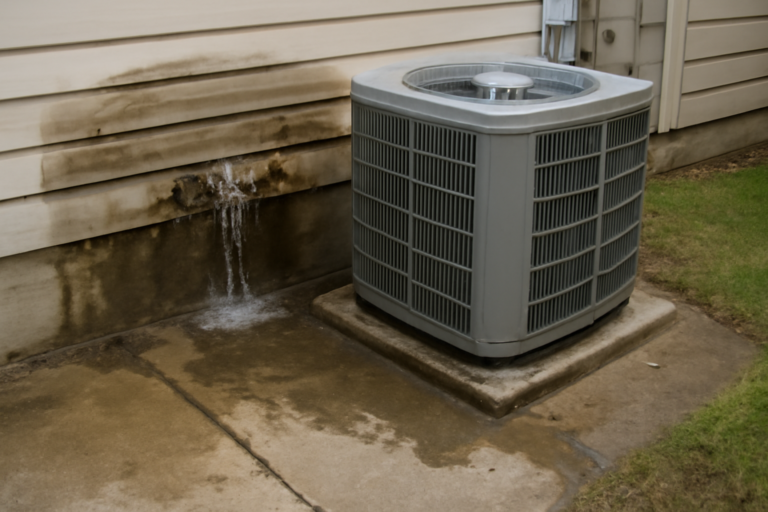
HVAC Leak Water Removal in Irving, TX
- Over 163 5-Star Reviews
- Free Estimates and Quotes
- 100% Satisfaction Guaranteed
- Child, Family & Pet Safe Steps
- 24-Hour Emergency Service
- Fully Licensed & Insured
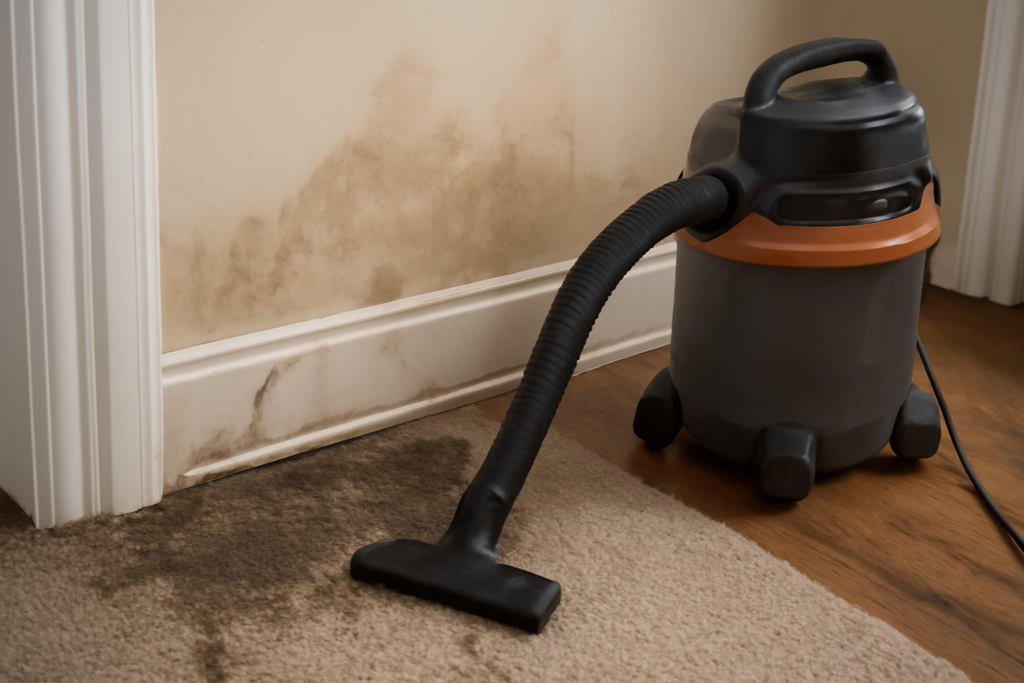
Irving, TX Homeowners: What You Need to Know About HVAC Leak Water Removal
Did you know that water damage from HVAC leaks can cost homeowners up to $10,000 in repairs? It’s a staggering statistic, and one that’s all too common in the Irving, TX area. When your heating, ventilation, and air conditioning system malfunctions, it can cause serious water damage to your property, leading to costly repairs and potentially even mold growth. But with the right team on your side, you can reduce the damage and get back to normal in no time.
Our team has helped over 165 homeowners in the area recover from HVAC leak water damage, and we’re confident we can do the same for you. We understand the stress and anxiety that comes with dealing with water damage, which is why we’re dedicated to providing top-notch service and support every step of the way.
- Fast response times to reduce damage and prevent further problems.
- Expert technicians with the skills and knowledge to handle complex water damage situations.
- Insurance-friendly service to help you navigate the claims process and get the compensation you deserve.
How Our Team Handles HVAC Leak Water Removal
When it comes to water damage from HVAC leaks, every minute counts. That’s why our team follows a strict process to ensure that we capture every last drop of water and dry out your property quickly and efficiently. We use specialized equipment, including commercial-grade wet vacuums and dehumidifiers, to remove standing water and reduce moisture levels. Our goal is to get your property back to normal as soon as possible, while also ensuring that the underlying cause of the leak is addressed.
Step 1: Assessment and Containment
Our technicians will arrive on the scene within 60 minutes to assess the damage and contain the affected area. This is crucial in preventing further damage and reducing the risk of mold growth. We’ll use specialized equipment to seal off the area and prevent water from spreading to other parts of your property.
Step 2: Water Extraction
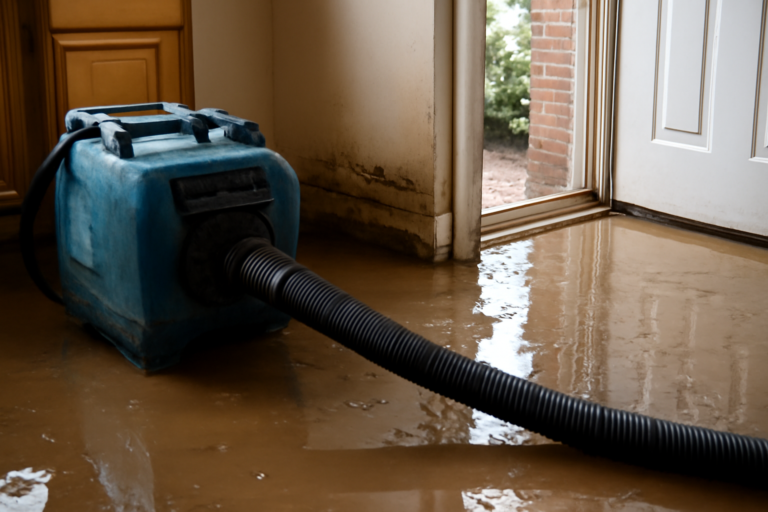
We’ll use commercial-grade wet vacuums to remove standing water from your property. This is a critical step in preventing further damage and reducing the risk of mold growth. Our technicians will carefully extract water from carpets, upholstery, and other materials, and then use specialized equipment to dry out the affected areas.
Step 3: Drying and Dehumidification
Once the water has been extracted, our team will use specialized equipment to dry out your property. This includes commercial-grade dehumidifiers and air movers that work to reduce moisture levels and speed up the drying process. We’ll also use specialized drying mats and other equipment to target specific areas and ensure that your property is completely dry.
Step 4: Cleanup and Restoration
After the drying process is complete, our team will begin the cleanup and restoration process. This includes removing damaged materials, cleaning and disinfecting surfaces, and replacing any damaged items. We’ll also work with your insurance company to ensure that you receive the compensation you deserve for your losses.
Don’t wait until the damage is too extensive to repair. Contact our team today to schedule an appointment and get back to normal as soon as possible.
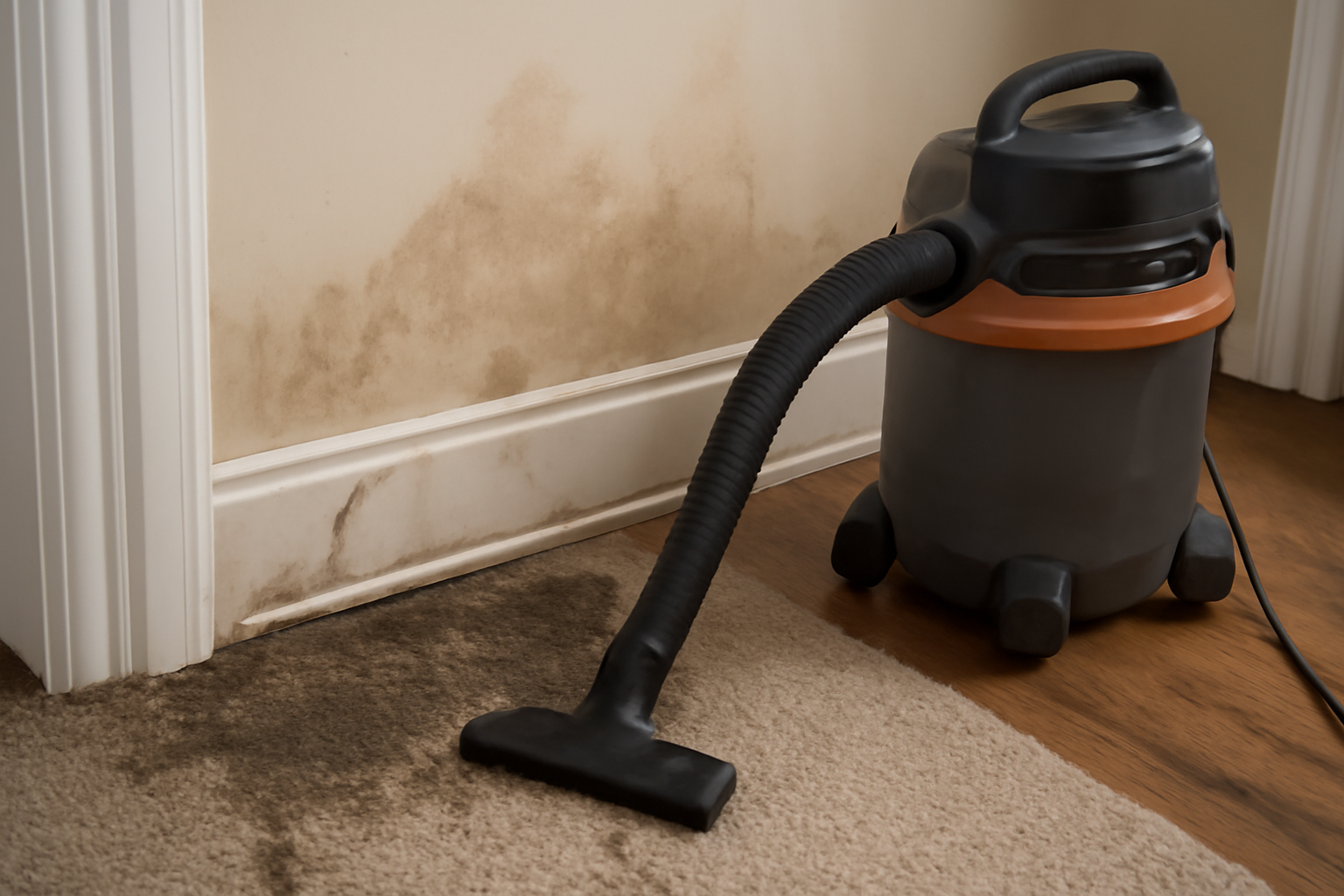
Warning Signs You Need HVAC Leak Water Removal
Catching water damage early is crucial in preventing costly repairs and reducing the risk of mold growth. Here are some warning signs that you may need HVAC leak water removal:
Musty Odors That Won’t Go Away
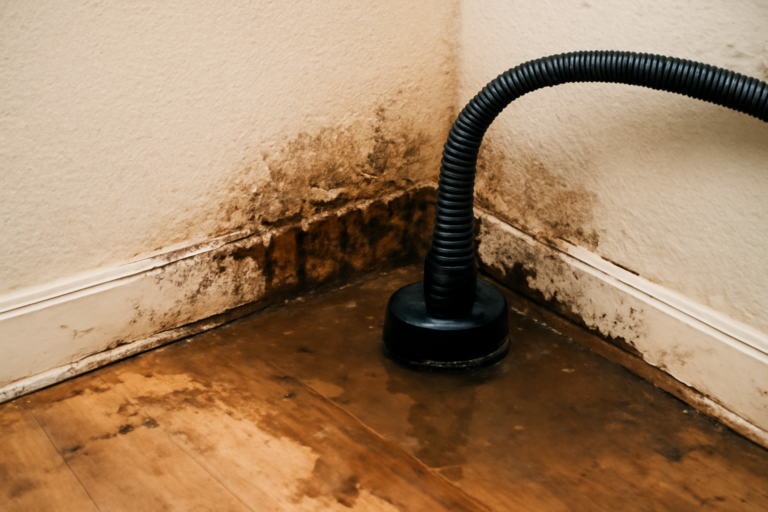
If you notice a musty or mildewy odor in your home that won’t go away, it may be a sign of water damage. This is especially true if you’ve recently had issues with your HVAC system. Don’t ignore the smell, it could be a sign of a larger problem.
Water Stains on Your Ceiling or Walls
Water stains on your ceiling or walls can be a sign of water damage from an HVAC leak. Don’t ignore these stains, they can be a sign of a larger problem that needs to be addressed.
Unusual Noises Coming from Your HVAC System
Unusual noises coming from your HVAC system can be a sign of a problem that needs to be addressed. If you notice unusual noises, such as hissing, gurgling, or banging sounds, don’t ignore them, they could be a sign of a leak or other issue.
High Utility Bills
High utility bills can be a sign of a problem with your HVAC system. If you notice a sudden increase in your utility bills, it may be a sign that your system is working harder than usual to cool or heat your home.
Visible Signs of Water Damage
Visible signs of water damage, such as warping, buckling, or discoloration, can be a sign of a leak or other issue. Don’t ignore these signs, they can be a sign of a larger problem that needs to be addressed.
Unpleasant Odors from Your Vents
Unpleasant odors from your vents can be a sign of a problem with your HVAC system. If you notice an unpleasant odor coming from your vents, it may be a sign of a leak or other issue.
HVAC Leak Water Removal vs. DIY: When to Call a Professional
| Situation | DIY? | Call a Pro? | Why |
|---|---|---|---|
| Small leak in a single room | Yes | No | You can likely handle a small leak on your own with a wet vacuum and some drying mats. |
| Large leak affecting multiple rooms | No | Yes | A large leak needs specialized equipment and expertise to handle safely and effectively. |
| Leak causing significant water damage | No | Yes | Significant water damage needs professional equipment and expertise to handle safely and effectively. |
| Leak causing mold growth | No | Yes | Mold growth needs specialized equipment and expertise to handle safely and effectively. |
| Leak affecting electrical systems | No | Yes | Leaks affecting electrical systems need professional expertise to handle safely and effectively. |
| Leak causing structural damage | No | Yes | Structural damage needs professional expertise to handle safely and effectively. |
Don’t risk your safety and the integrity of your property by trying to handle a large or complex leak on your own. Call a professional today to get the help you need.
HVAC Leak Water Removal Cost in Irving, TX
The cost of HVAC leak water removal in Irving, TX can vary depending on the severity and size of the affected area. Our team offers free estimates to help you understand the cost of the service and find out whether it’s within your budget. Here are some estimated price ranges for different aspects of the service:
| Service | Typical Price Range | What Affects Cost |
|---|---|---|
| Water extraction | $500 – $2,500 | The size of the affected area and the amount of water present. |
| Drying and dehumidification | $1,000 – $5,000 | The size of the affected area and the amount of moisture present. |
| Cleanup and restoration | $1,500 – $7,500 | The extent of the damage and the materials that need to be replaced. |
| Equipment rental | $200 – $1,000 | The type and quality of equipment needed to handle the job. |
| Insurance claims help | Free – $500 | The complexity of the claim and the amount of documentation required. |
The final cost of HVAC leak water removal will depend on the specifics of your situation. Contact our team today to schedule an appointment and get a free estimate for the service.
Service Areas Near Irving, TX
Our team serves the following areas: Addison, Allen, Arlington, Bedford, Carrollton, Coppell, Dallas, Duncanville, Euless, Farmers Branch, Flower Mound, Frisco, Garland, Grapevine, Haltom City, Haslet, Hurst, Irving, Keller, Lancaster, Lewisville, Mansfield, McKinney, Mesquite, North Richland Hills, Plano, Richardson, Rowlett, Southlake, The Colony, and Watauga.
Common Questions About HVAC Leak Water Removal
What is the average cost of HVAC leak water removal?
The average cost of HVAC leak water removal can vary depending on the severity and size of the affected area. Our team offers free estimates to help you understand the cost of the service and find out whether it’s within your budget.
How long does HVAC leak water removal take?
The length of time it takes to complete HVAC leak water removal depends on the size of the affected area and the complexity of the job. Our team works efficiently to reduce downtime and get your property back to normal as soon as possible.
Is HVAC leak water removal covered by insurance?
Yes, HVAC leak water removal is typically covered by insurance. Our team will work with your insurance company to ensure that you receive the compensation you deserve for your losses.
What equipment do you use for HVAC leak water removal?
We use commercial-grade equipment, including wet vacuums, dehumidifiers, and drying mats, to handle HVAC leak water removal. Our team is trained to use this equipment safely and effectively to reduce damage and prevent further problems.
How do you prevent mold growth during HVAC leak water removal?
We use specialized equipment and techniques to prevent mold growth during HVAC leak water removal. Our team is trained to identify and address potential mold growth issues to ensure that your property is safe and healthy.
Check Our Other Relevant Services

Terry Parker is a licensed Damage Restoration Expert with over 20 years of experience in property mitigation and disaster recovery. As a seasoned industry authority, Terry has spent two decades mastering the technical science of structural drying and environmental remediation. His extensive field knowledge and commitment to technical excellence ensure that every project is handled with the highest level of professional care, making him a trusted resource for homeowners and businesses navigating property crises.
𝗖𝗲𝗿𝘁𝗶𝗳𝗶𝗰𝗮𝘁𝗶𝗼𝗻𝘀: Terry is highly credentialed with IICRC certifications in Water Damage Restoration (WRT), Mold Remediation (AMRT), Applied Structural Drying (ASD), Odor Control, and Fire and Smoke Restoration.
𝗙𝗮𝘃𝗼𝗿𝗶𝘁𝗲 𝗣𝗮𝘀𝘁𝗶𝗺𝗲: An avid outdoorsman, Terry enjoys deep-sea fishing, restoring vintage woodworking tools, and exploring national parks with his family.
𝗕𝗲𝘀𝘁 𝗣𝗮𝗿𝘁 𝗼𝗳 𝘁𝗵𝗲 𝗝𝗼𝗯: Terry finds the most fulfillment in being a stabilizing force for families during a crisis, taking pride in the moment a devastated property is finally safe, clean, and restored to a place they can call home again.