Trusted by 160+ Homeowners
Hardwood Floor Water Extraction in Richland Hills, TX
- Over 163 5-Star Reviews
- Free Estimates and Quotes
- 100% Satisfaction Guaranteed
- Child, Family & Pet Safe Steps
- 24-Hour Emergency Service
- Fully Licensed & Insured
Water Damage to Hardwood Floors: What You Need to Know
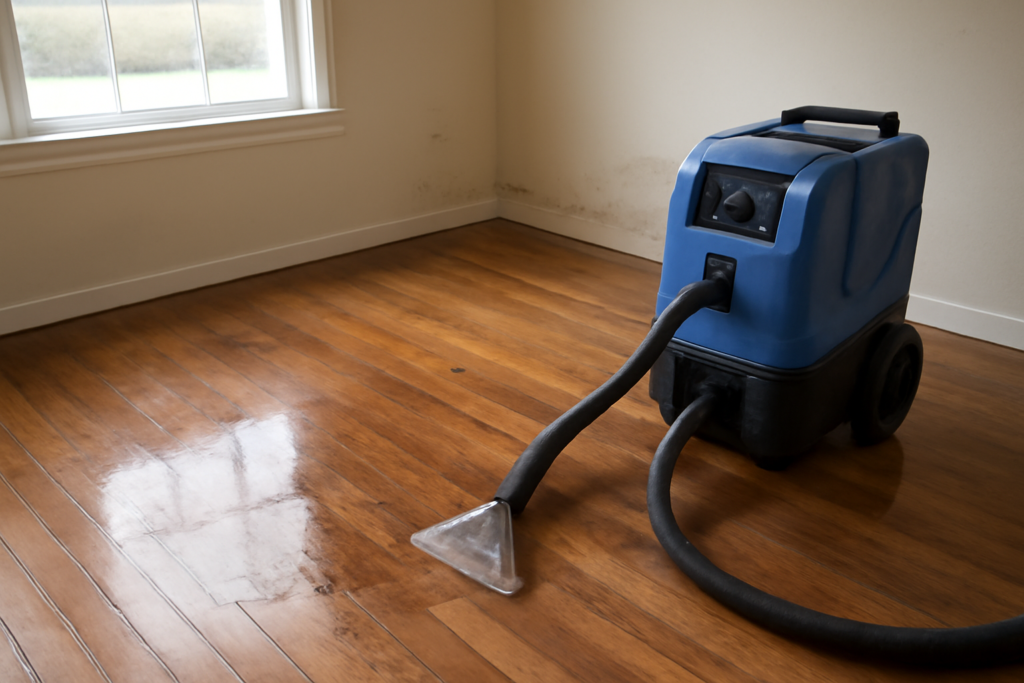
Did you know that water damage to hardwood floors can cost up to $10,000 to repair in Richland Hills, TX? That’s because the longer you wait to address the issue, the more extensive the damage becomes. It’s essential to act fast when you notice water pooling on your hardwood floor or musty odors emanating from it. Our team has seen firsthand how quickly water can ruin beautiful hardwood floors, which is why we’re here to guide you through the process of Hardwood Floor Water Extraction.
With over 165 five-star reviews, our team is the go-to choice for homeowners in the area who need professional Hardwood Floor Water Extraction services. We’ve helped countless homeowners navigate the complex process of insurance claims and restoration, and we’re confident we can do the same for you.
- We can help you document damage for insurance purposes, ensuring you receive the compensation you deserve.
- We use advanced equipment to extract water from your hardwood floors, reducing the risk of further damage.
- We work closely with your insurance company to ensure a smooth claims process.
The Hardwood Floor Water Extraction Process: What to Expect
With Hardwood Floor Water Extraction, our team follows a meticulous process to ensure the job is done right the first time. We understand that corners cut in this process can lead to further damage, which is why we take the time to get it done correctly. Our process involves:
Step 1: Assessment and Planning
Our team assesses the extent of the water damage, identifying areas that need immediate attention. We develop a customized plan to extract the water, dry the area, and restore your hardwood floors to their original condition. This step typically takes around 30 minutes to an hour.
Step 2: Water Extraction
We use specialized equipment to extract as much water as possible from your hardwood floors. This step is crucial in preventing further damage and reducing the risk of mold growth. Our technicians work efficiently to complete this step within 60 minutes.
Step 3: Drying and Dehumidification
We use industrial-grade dehumidifiers and fans to dry your hardwood floors and surrounding areas. This step is critical in preventing secondary damage and ensuring your floors dry evenly. Our team monitors the drying process to ensure it’s completed within 3-5 days.
Step 4: Inspection and Repair
Once the drying process is complete, our team inspects your hardwood floors for any damage or imperfections. We repair or replace damaged boards as needed, ensuring your floors look like new again. This step typically takes around 2-3 days.
Don’t wait any longer to restore your hardwood floors to their former glory. Contact our team today to schedule a free estimate and take the first step towards a beautiful, water-damage-free home.
Warning Signs You Need Hardwood Floor Water Extraction
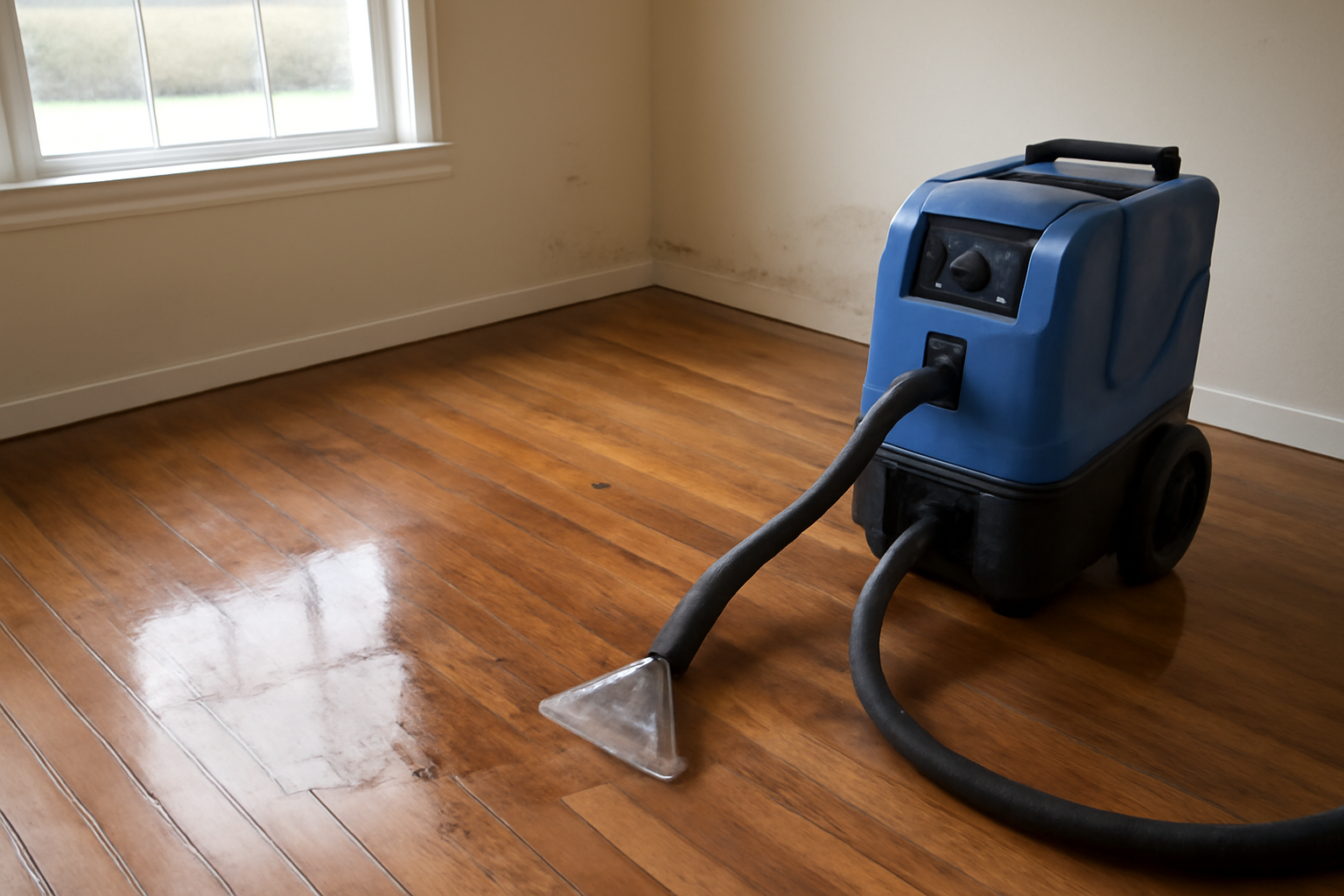
Catching the signs of water damage early can save you thousands of dollars in repairs and prevent further damage to your hardwood floors. Keep an eye out for these warning signs:
Musty Odors That Won’t Go Away
Strong, persistent odors emanating from your hardwood floors are a clear indication of water damage. Don’t ignore these smells, as they can lead to mold growth and further damage. Our team can help you identify the source of the odor and provide a solution.
Warped or Buckled Boards
Warped or buckled boards on your hardwood floors are a sign of water damage. These imperfections can lead to further damage and compromise the structural integrity of your floors. Our team can assess the damage and provide a plan to repair or replace the affected boards.
Discoloration or Staining
Discoloration or staining on your hardwood floors can be a sign of water damage. These imperfections can be difficult to remove and may need professional attention. Our team has the expertise and equipment to restore your floors to their original beauty.
Soft or Spongy Boards
Soft or spongy boards on your hardwood floors show water damage. These imperfections can compromise the structural integrity of your floors and lead to further damage. Our team can assess the damage and provide a plan to repair or replace the affected boards.
Water Stains or Rings
Water stains or rings on your hardwood floors are a clear indication of water damage. These imperfections can be difficult to remove and may need professional attention. Our team has the expertise and equipment to restore your floors to their original beauty.
Peeling or Flaking Finishes
Peeling or flaking finishes on your hardwood floors can be a sign of water damage. These imperfections can compromise the appearance and durability of your floors. Our team can assess the damage and provide a plan to repair or replace the affected finishes.
Hardwood Floor Water Extraction vs. DIY: When to Call a Professional
| Situation | DIY? | Call a Pro? | Why |
|---|---|---|---|
| Small water spill on a single board | Yes | No | DIY can handle small spills with ease. |
| Water damage to an entire room | No | Yes | Professional equipment and expertise are needed to handle extensive water damage. |
| Musty odors or warping boards | No | Yes | These signs show more severe water damage that needs professional attention. |
| Water damage to a subfloor or underlying structure | No | Yes | Professional help is necessary to assess and repair underlying damage. |
| Water damage to multiple rooms or floors | No | Yes | Professional equipment and expertise are needed to handle extensive water damage. |
| Uncertainty about the extent of the damage | No | Yes | Professional assessment is necessary to find out the scope of the damage. |
Don’t risk further damage to your hardwood floors by trying to handle water extraction on your own. Call a professional to ensure the job is done correctly and your floors are restored to their original beauty.
Hardwood Floor Water Extraction Cost in Richland Hills, TX
The cost of Hardwood Floor Water Extraction in Richland Hills, TX varies based on the severity of the damage, size of the affected area, and local conditions. Our team provides free estimates to ensure you understand the costs involved. Keep in mind that prices can range from $500 to $2,500 or more, depending on the extent of the damage.
| Service | Typical Price Range | What Affects Cost |
|---|---|---|
| Initial Assessment and Planning | $100 – $500 | Severity of damage, size of affected area |
| Water Extraction | $500 – $2,000 | Equipment rental, technician labor |
| Drying and Dehumidification | $200 – $1,000 | Equipment rental, technician labor |
| Inspection and Repair | $500 – $2,500 | Materials needed, technician labor |
| Final Inspection and Completion | $100 – $500 | Technician labor, final inspection |
Exact pricing depends on an on-site assessment, and we offer free estimates to ensure you understand the costs involved. Contact our team today to schedule a consultation and take the first step towards restoring your hardwood floors to their original beauty.
Service Areas Near Richland Hills, TX
We serve the following communities: Arlington, Bedford, Colleyville, Coppell, Euless, Grapevine, Haltom City, Hurst, Irving, Keller, Mansfield, North Richland Hills, Pantego, Richland Hills, Southlake, Watauga, Westlake.
Common Questions About Hardwood Floor Water Extraction
Q: What is the typical cost of Hardwood Floor Water Extraction in Richland Hills, TX?
A: The cost varies based on the severity of the damage, size of the affected area, and local conditions. Our team provides free estimates to ensure you understand the costs involved. Keep in mind that prices can range from $500 to $2,500 or more, depending on the extent of the damage.
Q: How long does the Hardwood Floor Water Extraction process take?
A: The process typically takes around 3-5 days, depending on the extent of the damage and the size of the affected area. Our team works efficiently to complete the job as quickly as possible while ensuring the quality of the work.
Q: Can I try to extract water from my hardwood floors myself?
A: We strongly advise against trying to extract water from your hardwood floors yourself. Without the proper equipment and expertise, you risk further damage to your floors and surrounding areas. Our team has the necessary training and equipment to handle water extraction safely and effectively.
Q: What is the importance of addressing water damage quickly?
A: Addressing water damage quickly is crucial in preventing further damage to your hardwood floors and surrounding areas. The longer you wait, the more extensive the damage becomes, leading to higher repair costs and potential health risks.
Q: Can I schedule an emergency appointment for Hardwood Floor Water Extraction?
A: Yes, we offer emergency appointments for Hardwood Floor Water Extraction. Contact our team today to schedule a consultation and take the first step towards restoring your hardwood floors to their original beauty.
Check Our Other Relevant Services
- Floor Water Damage Restoration in Richland Hills, TX
- Basement Water Damage Restoration in Richland Hills, TX

Terry Parker is a licensed Damage Restoration Expert with over 20 years of experience in property mitigation and disaster recovery. As a seasoned industry authority, Terry has spent two decades mastering the technical science of structural drying and environmental remediation. His extensive field knowledge and commitment to technical excellence ensure that every project is handled with the highest level of professional care, making him a trusted resource for homeowners and businesses navigating property crises.
𝗖𝗲𝗿𝘁𝗶𝗳𝗶𝗰𝗮𝘁𝗶𝗼𝗻𝘀: Terry is highly credentialed with IICRC certifications in Water Damage Restoration (WRT), Mold Remediation (AMRT), Applied Structural Drying (ASD), Odor Control, and Fire and Smoke Restoration.
𝗙𝗮𝘃𝗼𝗿𝗶𝘁𝗲 𝗣𝗮𝘀𝘁𝗶𝗺𝗲: An avid outdoorsman, Terry enjoys deep-sea fishing, restoring vintage woodworking tools, and exploring national parks with his family.
𝗕𝗲𝘀𝘁 𝗣𝗮𝗿𝘁 𝗼𝗳 𝘁𝗵𝗲 𝗝𝗼𝗯: Terry finds the most fulfillment in being a stabilizing force for families during a crisis, taking pride in the moment a devastated property is finally safe, clean, and restored to a place they can call home again.